Branded Residences Forum a key event at Future Hospitality Summit, returns to FHS World this October with a new identity as FHS Living. On 1 October, the forum will expand beyond branded residences to cover a broader range of living asset classes.
Branded residences will remain at the core, but will now sit alongside Student Accommodation, Senior Living, Serviced Living, Co-living, Shared Ownership, Club Concepts and Mixed-use as part of one platform.
Ahead of the event, Jason Payne, CEO & Founder of BRESI, is speaking with the sponsors, partners and leading personalities who make these events so successful. Together they’re exploring the key factors driving market growth, emerging opportunities, and the challenges facing the branded residences industry in 2026 and beyond.
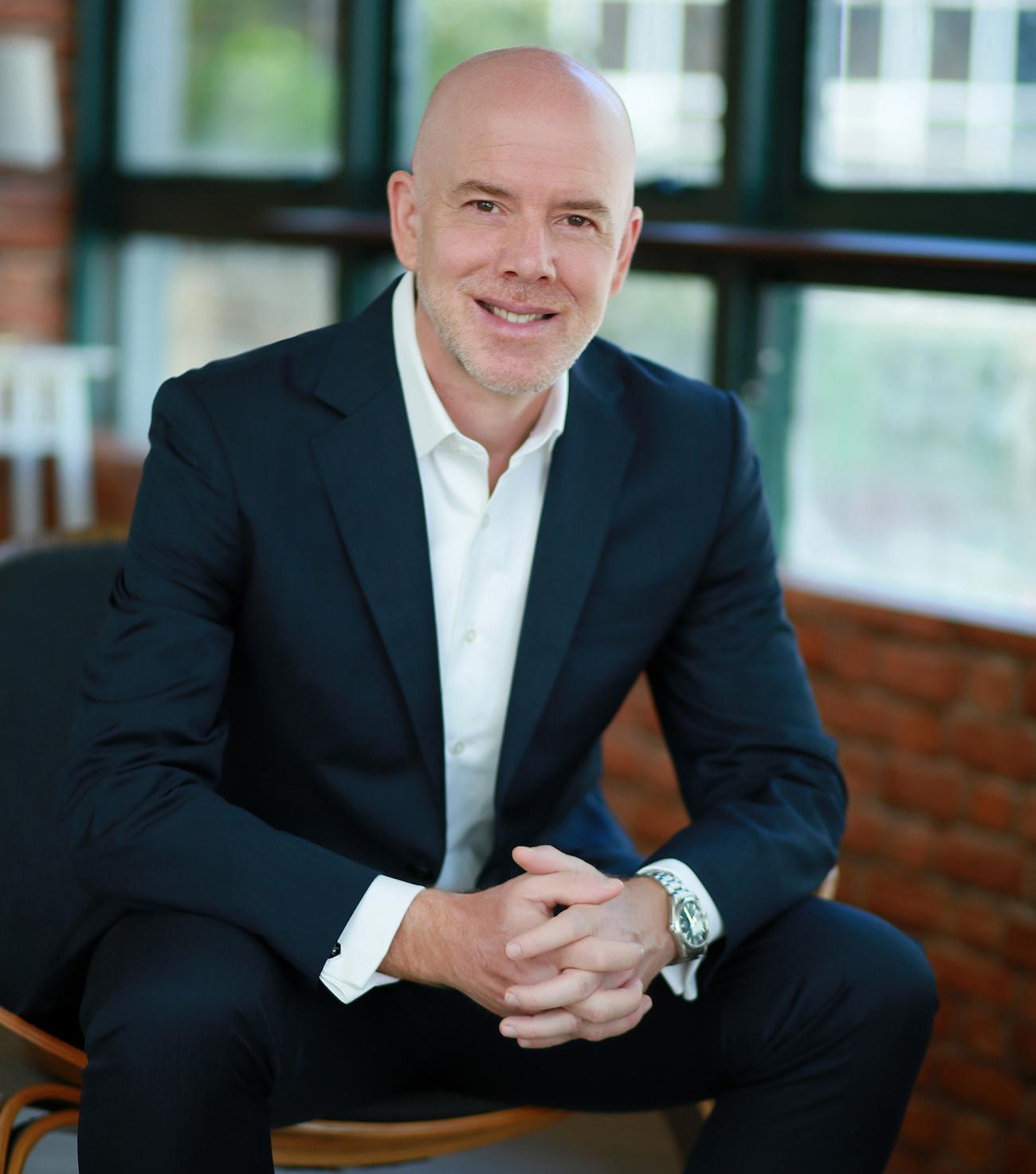
Introducing: Jeff Tisdall, Chief Business Officer, Accor One Living, Global Head of Mixed-Use.
Jeff Tisdall discusses the future of branded residences and Accor’s continued expansion in the sector, as branded living continues to evolve through new concepts and asset types. He covers the growth of lifestyle brands and standalone residences, the case for new concepts built around private clubs, golfing communities and F&B, and why understanding the target homeowner can help determine everything from brand selection to amenities and services.
He also looks at how technology and shifting lifestyles are changing the market and where he sees the sector heading in the next 5 to 10 years, and the upcoming FHS Living event.
JP: What do you think makes BRF/ FHS Living different from other industry events?
JT: FHS Living, is a unique forum where investors can explore opportunities to add value to a host of asset classes by applying the branded residence playbook. FHS Living pulls together tremendous collective experience from across the region and around the world.
It is a great opportunity for investors and brand leaders alike to gain line of sight on emerging trends, take stock of what is working well, and perhaps apply lessons and best practices to their own projects.
Of course, it is also about making connections and reconnecting with partners. We are really looking forward to the event.
JP: What do you personally value most about the conversations and connections that happen at events FHS Living?
JT: This forum provides the chance to gather perspectives and gauge investor sentiment through first-hand conversations. It is a great place for intelligence-gathering, while connecting with partners and building new relationships.
It’s events like this where ideas are formed and I find these types of forums very energising.
JP: The branded residences sector has grown enormously over the past 10–15 years. Where do you see it going in the next 5 years?
JT: As exciting as the sector’s growth has been over the last two decades, we feel strongly that branded living is poised for an extended period of growth and expansion. We are just scratching the surface in terms of the capacity for compelling brands, elevated services and co-location with complimentary assets to add value to real estate.
For starters, the vast majority of prime and super prime residential real estate is independently branded and no doubt value creation opportunities are being missed. Lifestyle brands, such as Ennismore’s SLS and Delano, are already helping developers to reach new buyer profiles and we expect this trend to accelerate further.
We are also starting to realise the potential of co-located branded residences with alternative hospitality assets – such as private clubs and popular F&B destinations.
JP: Do you think the pace of growth we’ve seen over the past decade can continue, and what will determine that?
JT: We are confident that branded offerings will continue to capture an increasingly larger share of premium, luxury and ultra luxury residential markets. We expect further acceleration and new entrants will continue to drive this growth. Yet we also see some brands taking a pause before embarking on this journey – to ensure they have a platform capable of delivering the experience and reliability that homeowners demand during the operating phase.
Accor One Living provides the Accor Group with a competitive advantage in this regard, but we anticipate that more brands will build out similar capabilities over time and we welcome this competition.
In fact, it motivates us to continue to innovate and evolve.
JP: As the sector continues to expand into new markets and destinations, where do you see the greatest potential for future growth?
JT: The Middle East continues to be a market of focus in terms of long-term growth – among which Dubai continues to star – with robust infrastructure, a commitment to sustainable development and responsible hospitality, and a resilient residential market.
From our position, as a leader in the Middle East’s hospitality sector, Accor is continuing its ambitious foray in creating high-quality homeowner communities and a wide range of branded residences throughout the region.
Beyond the Middle East, branded living continues to drive the top end of property markets around the globe. Accor currently develops and operates branded living communities in more than 40 countries.
JP: Do you expect the sector to become more concentrated around established brands, or do you see greater opportunities for new brands and emerging concepts?
JT: Classic luxury brands continue to play a very prominent role in the market, however our high-momentum lifestyle brands, offered by Ennismore, as well as Accor’s premium brands are attracting new demographics of homebuyers.
Projects such as Mama Shelter Dubai and SO/ Uptown Dubai Residences in UAE, Mondrian Residences Burleigh Heads in Australia, and SLS Madrid Infantas Residences in Spain demonstrate how we are only just starting to realize the vast potential that hospitality brands can deliver to elevate homeowner experiences and unlock residential real estate value.
Beyond that, we certainly expect to see new offerings, fresh concepts and creative collaborations – with ourselves at the forefront this innovation.

JP: Are there any areas where you think the industry is falling short of buyer expectations?
JT: Deep hospitality experience is integral to branded living success. However, there can be a risk that operators think too much like hoteliers and fail to adjust their thinking to the domain of residential living.
At Accor, we are very careful to understand the needs of homeowners and appreciate we are ultimately serving private, and frequently very exclusive, communities. This has enabled us to curate services, amenities, concepts and homeowner privileges which express the DNA of our brands, yet are designed specifically for homeowners.
JP: What do you think the industry may be underestimating right now?
JT: The branded living sector continues to evolve, while astute prospective buyers are increasingly concerned with future-proofing their investments. Compelling branding, a great design and well targeted amenities are essential starting points – but homeowners are also seeking reassurance that these qualities will remain strong over time.
At Accor One Living, we spend a lot of time in planning phases with our development partners to ensure solid foundations are in place for our projects – and we work very hard during operating phases to maintain the long-term appeal, prestige, and quality of the homeowner communities we serve.
JP: Do you think the brands could do more for their developer partners when it comes to sales and marketing?
JT: Always. At Accor, we are already doing a lot, while continuing to innovate and seek out more ways we can support our partners. We start by helping the sales and marketing teams of our development partners to get “on brand”.
We provide support to convey the value proposition that sales and marketing professionals need to be immersed in the brand, to understand its signatures and flagships, the brand history and DNA, and to be guided as to how to express these qualities residentially.
We also create a series of opportunities for our customers to connect directly with development partners, support events, amplify media relations campaigns, introduce potential partners and suppliers, and generally collaborate throughout the sales and marketing process until sell-out is achieved.
JP: Are there any trends or markets that you are following particularly closely right now, and which do you think could have the biggest impact on the future of branded residences over the next five years?
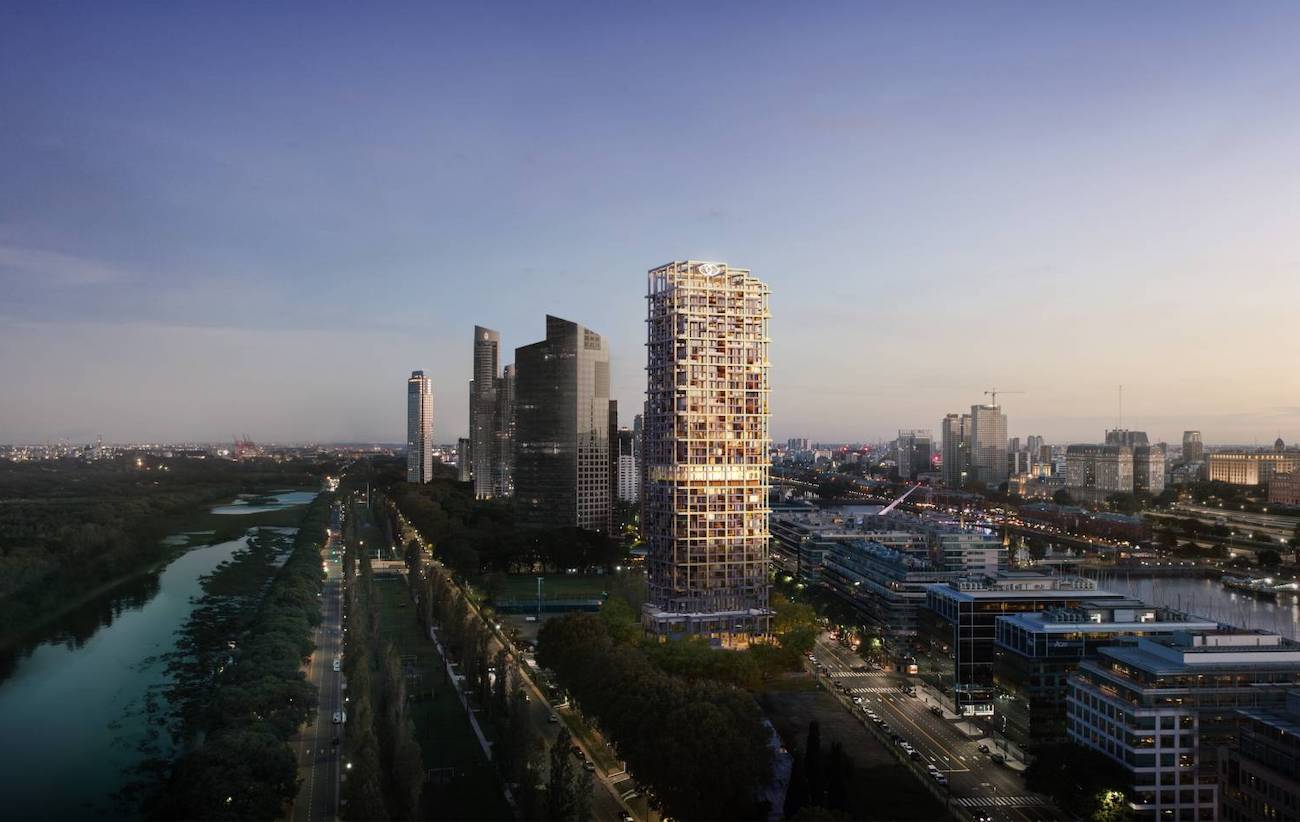
JT: We see increasingly strong demand for standalone branded residences, and expect further acceleration in this space as developers start seeking out alternative assets with which to co-locate residential components.
Currently, standalone branded living projects at Accor account for 12 percent of our network and around 30 percent of our project signings in recent years.
JP: Do you see any opportunities for brands to develop new residential concepts rather than simply replicating the existing branded residence model?
JT: There are so many opportunities for innovation – including residentially inspired, self-catered wellness concepts, that deliver an elevated experience and yet a marketable service charge. We expect to see some of our brands adding value to commercial office projects in the future.
Given Fairmont’s leadership position in golf, we can imagine a Fairmont branded golf community, enabling the scaling of a model that has long resonated with developers and homeowners alike.
We also anticipate new product-category intersections to emerge as private clubs, co-working and branded residences are woven into the same mix-used development.
JP: Do you think changing expectations around service, technology and convenience will reshape how branded residences are developed and operated?
JT: This is already happening. Technology is integral to branded residences. At Accor, we think in terms of a branded living tech stack – integrated with our broader enterprise business systems, yet purpose-built to support the needs of homeowners and residential real estate developers.
We employ digital concierge apps that connect homeowners to services and privileges at home and across the broader Accor and Ennismore ecosystems.
We use advanced accounting solutions for rental programs and HOA finances. Smart technology solutions enable our wellness and sustainability strategies, privacy and security operations, and increasingly, the on-going maintenance of our operating expenses.
JP: Are there any changes in consumer behaviour outside of real estate and hospitality that you think could influence what buyers will expect from branded residences in the future?
JT: We are seeing not only increased wealth generation but also increased wealth mobility. Capital has been moving to cities like Miami, Abu Dhabi and Milan. High Net Worth and Ultra High Net Worth buyers are frequently spreading their time across two, three, four, or even five homes.
Prestigious and historically significant brands such as Raffles, Delano and Pullman provide trust and a promise of legacy to the homeownership experience, while the “lock-and-leave” convenience offered by branded residences really caters to this global lifestyle.
JP: If you could give a property developer considering entering the branded residences sector just one piece of advice, what would it be?
JT: We recommend developers start with key buyer profiles in mind. Getting clarity on who the homeowner will be and how they will use their home informs the big decisions and the finer details – from brand selection to the amenities offering, and even the CC&R’s themselves.
It guides the design of homes and allows us to further customise services and homeowner benefits around the needs of target buyers, even after the branding has been set.
Given the richness of our Accor and Ennismore portfolios, we are then able to help development partners match the right brand – be it one of our lifestyle, premium or luxury brands – to the needs of the homeowner community they will be serving down the road.
JP: What separates branded residences projects that succeed in the market from those that struggle, and is there a single failure point that you see repeatedly?
JT: I don’t think I would go that far – but there is a risk in believing the brand solves everything. Location, market research, design and quality of the marketing approach itself are all incredibly important, perhaps even more so in branded living as these communities are typically being developed at the very top end of their respective property markets and segments.
Beyond that, the brand needs to be woven into every aspect of the offering and this requires commitment, expertise and strong operating platform. Our expertise and 25+ years of branding living experience has set us up well in this regard.
JP: What do you think property developers most often underestimate when planning a branded residences project?
JT: We are very fortunate to work with a number of very experienced and accomplished developers. For a first-time developer of a branded residence in a mixed-use development with multiple components, it would be easy to underestimate the care that needs to be taken in balancing stakeholder interests.
Sometimes this balancing is commercial in nature, such as ensuring hotel ownership interests are protected while advancing the appeal of the residential offering. In our experience, there is a need to balance the lifestyle and convenience enabled by integrating private residences with a hotel, while still safeguarding privacy and exclusivity concerns.
JP: What do you think people outside of the industry still misunderstand about branded residences?
JT: Certainly, there is widespread understanding that the right brand can help developers capture a significant premium relative the non-branded comp set. This has been well documented in study after study. There is also a growing appreciation of the ability of branding to accelerate absorption, reduce sales and marketing costs, and enhance the economics of co-located hotels.
Outside of fees, there is likely less appreciation of the benefits to the operators themselves, providing they truly embrace branded living. Branding living offers a fresh new canvas on which to innovate and to express a brand’s DNA with services, concepts and experiences that are calibrated to the needs of homeowners.
For brands like Raffles, Fairmont and SLS, it has proven to be a tremendous opportunity to build deep, life-long relationships with affluent homeowners.
JP: What do you think has been the most significant shift in the way the sector is now perceived?
JT: Resilience. Branded living has been driving performance at the top levels of property markets around the world for more than a quarter century. The concept is proven across all phases in the economic cycle, and responsible developers and brands have proven their projects are built to stand the test of time.
We have been fortunate to have had a front-row seat, given the pioneering role played by Fairmont and Raffles. Looking forward, we see continued growth and innovation.
JP: What has working in the branded residences sector taught you that you did not expect when you first entered it?
JT: There was a time when I saw branded residences as an ancillary business. Today, branded living is at the forefront of hospitality and very mainstream. It is an exciting time for the sector.
JP: And finally Jeff, can you tell us more about your involvement at BRF this year and what you are most looking forward to?
JT: All of it. Reconnecting with partners and making new connections. Exchanging ideas. Gaining new insights. Advancing ongoing projects and embarking on new opportunities.
Jeff Tisdall will be joining FHS Living on 01 October to speak on “The State of the Global Branded Residences Market”
About Accor One Living
Accor One Living is an industry-first, 360º platform supporting the development and operation of branded residence communities, mixed-use developments, and forward-thinking hospitality solutions. The Accor One Living team leverages a quarter century of success in creating extraordinary homeowner experiences, pioneered by brands like Raffles and Fairmont, and now extending to 25+ Accor hospitality brands.
As the essential partner of developers and real estate investors, Accor One Living provides a turnkey set of solutions supporting each phase in the development and operation of branded residences – from initial concept and product planning, throughout sellout, pre-opening and operating phases.
Today, more than 10% of global branded living supply is being developed or operated under an Accor or Ennismore brand, with the group serving more than 9,000 homeowners at over 55+ branded residence communities in 40+ countries, with another 135+ projects under development.
For more information on Accor One Living visit accor-residences.com
About FHS World and FHS Living

FHS World is happening at Madinat Jumeirah in Dubai, 29 September to 1 October 2026, under the theme “Reinvest in our Future”. FHS Living (formerly the Branded Residences Forum) is held within the summit, on the afternoon of 1 October.
Event Overview
- Dates: September 29 – October 1, 2026
- Location: Madinat Jumeirah Conference & Events Centre, Dubai, UAE
- Theme: Reinvest in Our Future
- Key Focus: Hospitality investment, branded residences, living sectors, sustainability, innovation, and experiential travel.
Register your interest and secure your pass for FHS World 2026 and FHS Living HERE

BRESI is the world’s first dedicated global gateway for the branded residences industry, connecting buyers, property developers and brands across every major market. The platform provides a developer-focused global marketplace, comprehensive news media and a strategic partner network of the leading advisory companies in the sector, creating a complete branded residences ecosystem.
Read more expert interviews and opinions about the branded residences sector