Branded Residences Forum (BRF), a key event at Future Hospitality Summit (FHS), returns to FHS World this October with a new identity as FHS Living. On 1 October, FHS Living will expand the forum beyond branded residences to cover a broader range of living asset classes.
Branded Residences will remain at the core, but will now sit alongside Student Accommodation, Senior Living, Serviced Living, Co-living, Shared Ownership, Club Concepts and Mixed-use as part of one platform.
What the Experts Have To Say
Ahead of the event, BRESI is putting questions to the sponsors, partners and leading personalities from across the branded residences sector, exploring the key factors driving market growth, emerging opportunities, the challenges facing the industry and what comes next.
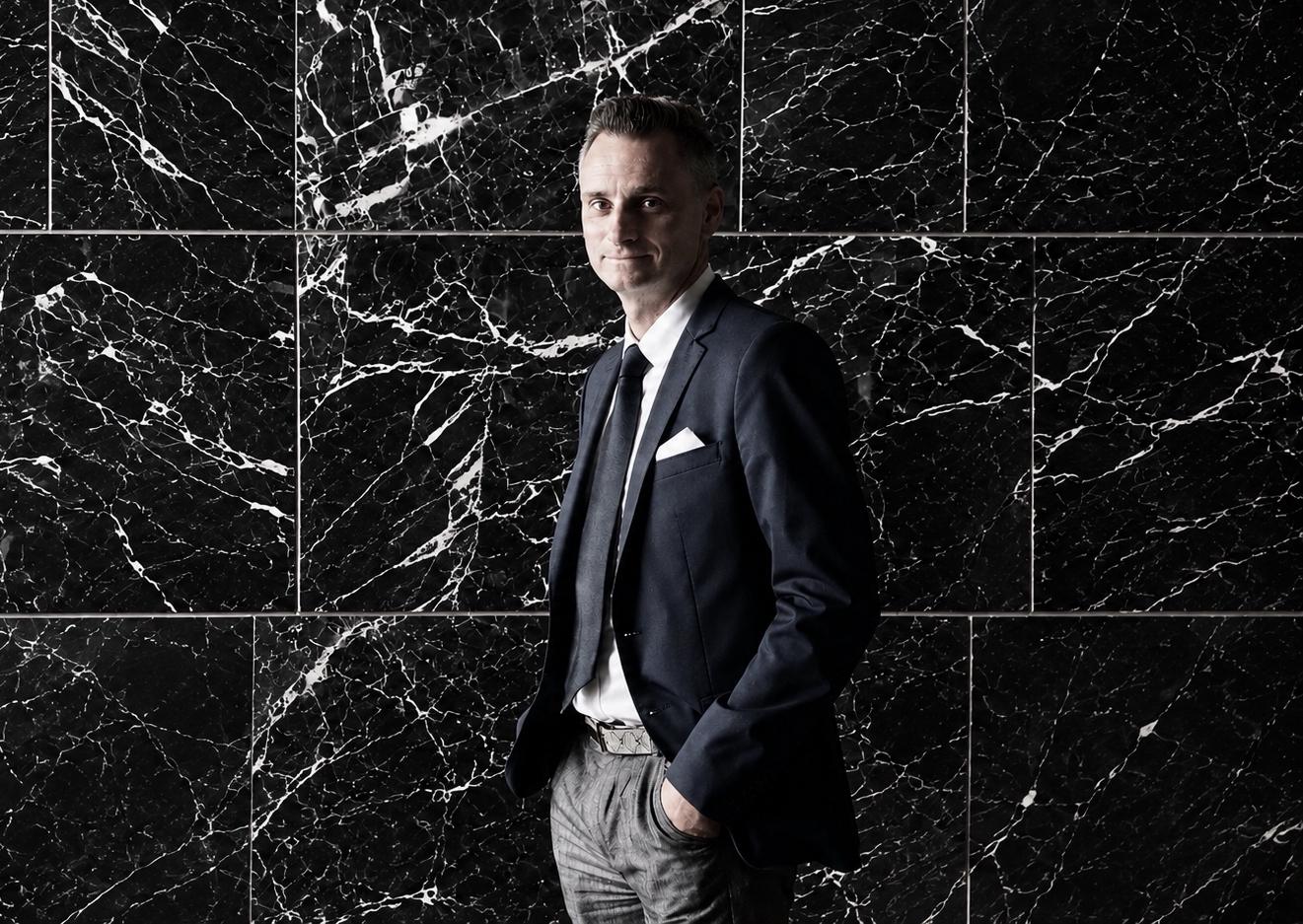
Introducing: Jason Payne, CEO and Founder of BRESI
What do you think makes BRF (FHS Living) different from other industry events?
JP: Branded Residences Forum has always attracted the leading experts and personalities from across the sector, who openly share their knowledge, experience and passion for the industry.
The expansion to FHS Living will no doubt build on that, and bring together an even broader group of professionals from across the wider living sectors. I think the expansion could be really exciting. Bringing these sectors together, which naturally overlap, should definitely create some interesting conversations, ideas and opportunities that maybe wouldn’t have happened otherwise.
Do you think the pace of growth we’ve seen over the past decade can continue, and what will determine that?
JP: All of the data points to continued growth. However, I’m personally looking at patterns within the industry that I think will determine whether that growth can continue at the same pace.
The market is mature enough now that we can look beyond the sales and marketing promises and start looking at how projects actually perform once they are open, rather than just celebrating new launches.
For me, that means looking at the owner experience being delivered, how properties are maintained and managed, rental yields, the additional costs for developers to build them and, just as importantly, whether the brand premium paid initially has held up in the resale market.
Buyers and developers will certainly be looking at these things, so if projects start falling short in these areas, buyers will eventually stop paying the premium, and developers will have less reason to build them.
The next phase of growth in my opinion will be based on actual real world performance, and not just promises, brand association, pipeline numbers, brand premiums and speed of sales.
Are there any areas where you think the industry is falling short of buyer expectations?
JP: I genuinely think areas for improvement have to be marketing, messaging and the buyer journey. I’ve watched this much more closely since I founded BRESI and, in my opinion, there is still a lot more to do when it comes to clearly explaining the benefits of what owning a branded residence actually gives a homeowner.
I think we sometimes forget that not every potential buyer understands what a branded residence is or why they should pay a premium for one. The messaging needs to explain this more clearly. We shouldn’t assume that buyers already understand the brand, the proposition or the benefits of ownership.
A major issue for me is that brands, consultants and developers spend months, sometimes years, carefully managing every touchpoint of a development, including its messaging, but as soon as the project is launched to the market, a lot of that carefully refined messaging is lost.
A large part of the buyer journey is handed over to brokers and master agencies. While some do an amazing job, there are also many poor examples, particularly in emerging markets where knowledge of branded residences can be limited.
The rise of AI has made things worse. AI-generated property advertising, misuse of brand IP, wild or misleading claims, and projects being marketed like typical real estate developments are all damaging the industry and creating confusion for buyers.
The fact that we are seeing headlines in mainstream media like “Hotel Brands are now Selling Condos” and “Why Fashion Brands and Car Companies are Building Skyscrapers” is a clear example of the overall messaging problem that our industry still has.
So these are areas that we really must improve on, in my opinion.
Are there any trends or markets that you are following particularly closely right now, and which do you think could have the biggest impact over the next five years?
JP: I’m not following any specific markets or trends particularly closely right now. The data, especially around the pipeline of projects, brand premiums, hotspot markets and emerging markets, is strong and, in many ways, the direction of the sector is pretty much set for the next five years.
I am looking beyond this and I think the areas I’ve covered in the last two questions will have a much bigger impact on the sector going forward.
How projects perform once they are open and the quality of the buyer journey are, in my view, going to be far more important to the long-term growth of the sector than any particular market or potential short-term trend.
Ultimately, the brand and what it promises will only take you so far. The product and the experience have to deliver from day one, from the initial buyer journey through to taking ownership of the property.
We should not lose sight of the fact that although a lot of the growth and success has been down to hospitality expertise and brand reputation, this is still real estate and these are going to be people’s homes, so they need to perform like one.
What do you think developers most often underestimate when planning a branded residences project for the first time?
JP: That is an easy one: time, control and complexity.
The most successful property developers are extremely entrepreneurial, knowledgeable and passionate about what they build.
So it can be quite an adjustment for them to have someone outside of their company involved in the process, with their own requirements around what, when and how things can be done.
Developers often underestimate just how much control a brand will want to have across the building and ownership experience, from design and materials through to services, operations, marketing and how the property is presented to owners.
Getting all of this agreed and fine-tuned can take considerably longer than many developers expect and want, to be perfectly honest.
Then there is the contractual side. Agreeing the commercial terms, management and licensing agreements is all very complex and can take a huge amount of time. For property developers who are used to being light on their feet and like to make decisions quickly, this can be somewhat of a frustration for them.
A branded residence involves a lot of moving parts, and developers need to understand from the beginning that they are entering into a long-term relationship where they won’t have complete control over every aspect of the project.
So the biggest thing new developers underestimate is simply how much time all of this can take.
What do you think has been the most significant shift in the way the sector is now perceived?
JP: A lot has changed in the 15 years that I’ve been working in the sector. I look back and smile when I think about those early days, when I was contacting hotel companies with potential opportunities, only to be told, “We don’t get involved with real estate.”
Fast forward to today, and branded residences are a core focus and an important revenue and growth driver for almost every major hotel company globally. Many of the biggest hospitality brands now have dedicated residential teams and significant pipelines of projects, something that would have been almost unthinkable when I first started working in the sector.
The success of non-hospitality consumer brands entering the sector has also been a major shift.
But I think the biggest shift is that we’ve completely dispelled the early opinions that branded residences were simply a bubble that would eventually burst.
Can you tell us more about your involvement at FHS Living this year and what you are most looking forward to?
JP: BRESI is a media partner for FHS Living, so we will be doing a fair amount of media coverage and reporting leading up to and during the day itself.
Personally, I’m really looking forward to seeing how the expanded format works and learning more about the other sectors that will now be part of the conversation. It will be interesting to see what happens when these different sectors come together and what opportunities come from that.
About Jason Payne
Jason has worked in the branded residences sector since 2011, across development, brand strategy, licensing and owner representation. He has held senior management roles with international property developers and worked as a private branded residences consultant.
In 2024, he founded BRESI, the world’s first dedicated global gateway for the branded residences industry, connecting buyers, property developers and brands across every major market.
BRESI provides a developer-focused global marketplace, delivering global exposure and lead generation, alongside comprehensive news media and a strategic partner network of leading advisory companies in the sector, creating a complete branded residences ecosystem.
About FHS World
FHS World is happening at Madinat Jumeirah in Dubai, 29 September to 1 October 2026, under the theme “Reinvest in our Future”. FHS Living (formerly the Branded Residences Forum) is held within the summit, on the afternoon of 1 October.
Register your interest and secure your pass, HERE

BRESI is the world’s first dedicated global gateway for the branded residences industry, connecting buyers, property developers and brands across every major market. The platform provides a developer-focused global marketplace, comprehensive news media and a strategic partner network of the leading advisory companies in the sector, creating a complete branded residences ecosystem.