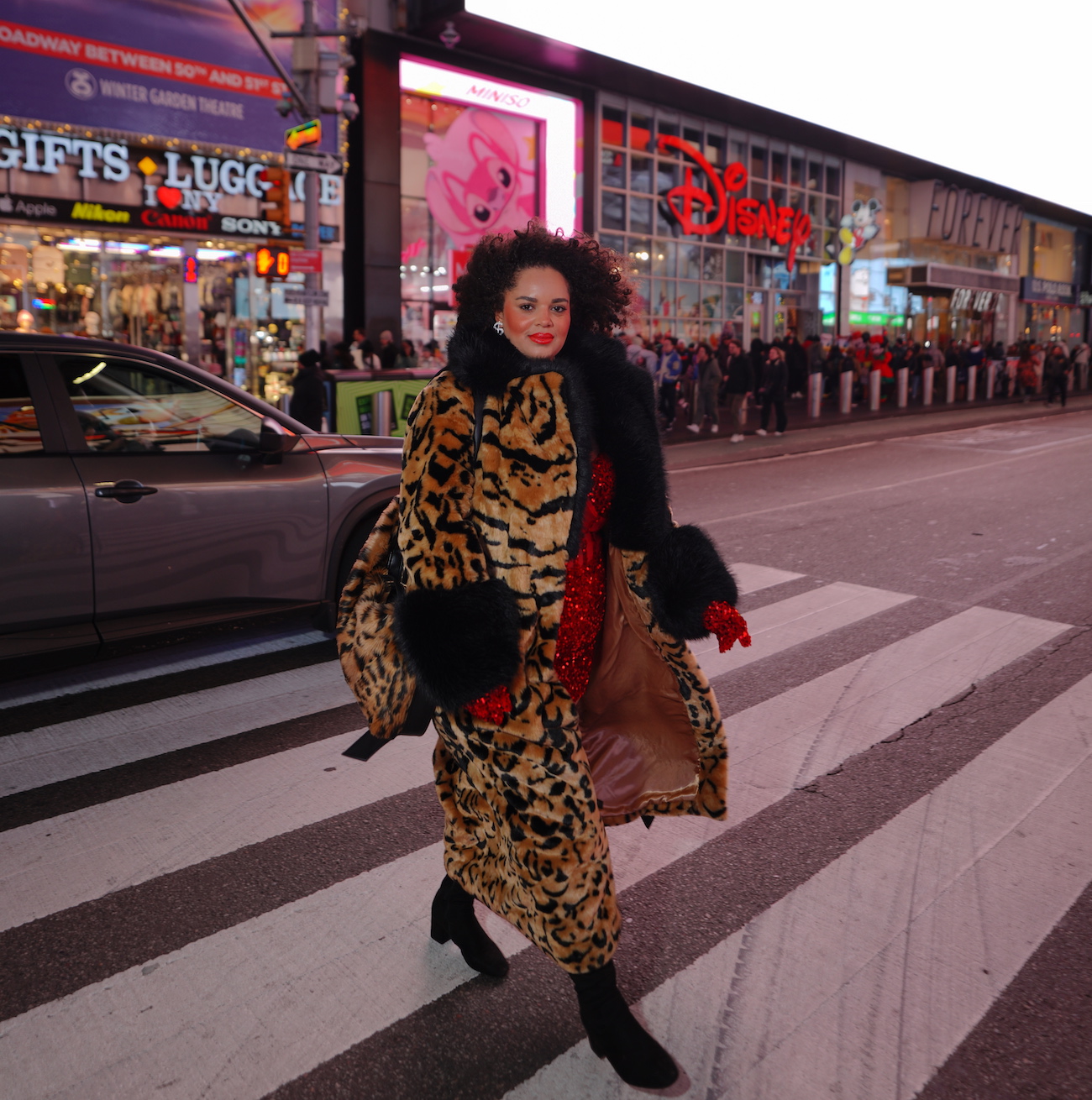
A slight change of pace for this month’s Expert Voices, but no less enjoyable. I came across Laura Bartlett after she wrote an extremely positive and complimentary article about my journey as the founder of BRESI. After doing a little digging, it was clear that she had a very interesting backstory.
In this exclusive interview, Laura takes us through the highs and lows of building a business from nothing, why she believes branded residences are the next major shift in how women build and hold wealth, and what she means by the “sovereign buyer.” We also get into why the industry has been slow to recognise how much buying power women hold.
JP: Laura, thank you for taking the time today. Before we dive into what you’re doing now and your newly found passion for branded real estate, I would love for our readers to understand more about your incredibly interesting backstory. Could you walk us through your entrepreneurial journey up to this point?
LB: I left traditional employment at twenty-one with a very simple ambition. I wanted complete freedom. I didn’t know exactly what shape that life would take, but I knew I wanted to build it for myself rather than follow someone else’s blueprint.
My first business was a handbag company, which eventually grew into a retail store in another city. Running the store taught me something important. I enjoyed building businesses far more than managing shops. That realisation led me to launch a fashion magazine.
Eighteen months later, what had started as a regional publication no longer felt big enough. I wanted to create a global title, so I walked into Dragons’ Den seeking investment. I didn’t get it. In fact, the experience was far more challenging than I’d imagined. Looking back, though, it became one of the defining moments of my career because it gave me the determination to prove that my vision was bigger than the opinions in that room.
Following the programme, I launched the magazine globally and, thanks to the exposure, it sold out around the world. But later that same year, after partnering with a major fashion event, the business collapsed and I found myself bankrupt.
It was the hardest chapter of my entrepreneurial journey, but it also forced me to think much bigger. Instead of rebuilding what I’d lost, I asked myself what I really wanted to create if there were no limits.
The answer became a luxury travel publication. My ambition was to build a title that could stand alongside the world’s most respected magazines, inspire people to explore the world, and create opportunities for my team and me to experience it ourselves. Over the following decade, that vision became reality.
The business grew into a remote-first company with a team of more than fifty people, including a sales division in India. I travelled solo to more than forty countries, became the youngest ever Vice Chair of the British Society of Magazine Editors, and even turned down an acquisition offer from the Daily Mail Group because remaining independent mattered more to me than selling too early.
After ten years, I exited the business to an American buyer after travelling to Hollywood to meet the team acquiring the company. Eighteen months later, the publication’s still thriving, which is something I’m incredibly proud of.
Looking back, I can see that every stage of that journey prepared me for what I’m doing now. People often describe branded residences as a new passion, but I see them as a natural continuation of the world I’d already spent a decade immersed in.
Through luxury travel, I’d experienced many of the hospitality brands that are now defining this sector, watched their standards shape how people experience places, and developed a deep appreciation for what exceptional hospitality can create.
Today, through LauraBartlett.live, I’m following that story into its next chapter. My focus has shifted from where people travel to where they choose to own, invest and build their lives. For me, branded residences sit at the intersection of hospitality, property, wealth and identity, which makes them one of the most fascinating sectors in the world right now.
JP: You describe the period since your exit as one of stepping back to observe markets and follow signals before they become obvious. What made branded residences the signal worth chasing, and how did it evolve into a major theme on LauraBartlett.live?
LB: After I exited my previous business, I deliberately resisted the temptation to jump straight into building something new. I’d spent almost two decades constantly creating, so for the first time I gave myself permission to observe instead.
I became fascinated by looking for signals. Not headlines or trends that everyone was already talking about, but quieter shifts happening beneath the surface. The kind of changes that don’t seem connected until you step back and look at the bigger picture.
The first shift I couldn’t ignore was women. We’re living through one of the largest reallocations of wealth in modern history, yet much of the conversation around luxury still feels rooted in outdated assumptions about who the buyer is. Women are controlling more capital, making more investment decisions and buying more luxury property than ever before. Yet almost nobody in the property world is speaking to them directly, despite the fact they’re increasingly the buyer.
At the same time, I kept noticing hospitality brands expanding into residential living, entrepreneurs becoming increasingly global in how they lived, and ownership itself becoming more intentional. People weren’t just buying homes. They were choosing ecosystems, communities and lifestyles that reflected how they wanted to live.
Branded residences sat right at the intersection of all of those movements.
Because of my background in luxury travel, I already understood the power of the brands entering this space. I’d experienced many of them firsthand over the previous decade. What fascinated me wasn’t simply that they were building homes, it was what those homes represented. They reflected a broader shift in how successful people now think about ownership, mobility, service and time.
As I started writing about the sector, something unexpected happened. My analytics began telling the same story. Readers weren’t just finding the articles. They were actively searching for branded residences, specific developments and hospitality brands. It confirmed that there was genuine curiosity, but very little accessible editorial explaining why this world mattered or who it was for.
That’s when I realised I wasn’t just covering a property trend. I was documenting a much bigger movement around wealth, ownership and life design. Branded residences became a major editorial theme because they perfectly capture where those worlds intersect, and because I believe we’re still in the very early chapters of that story.
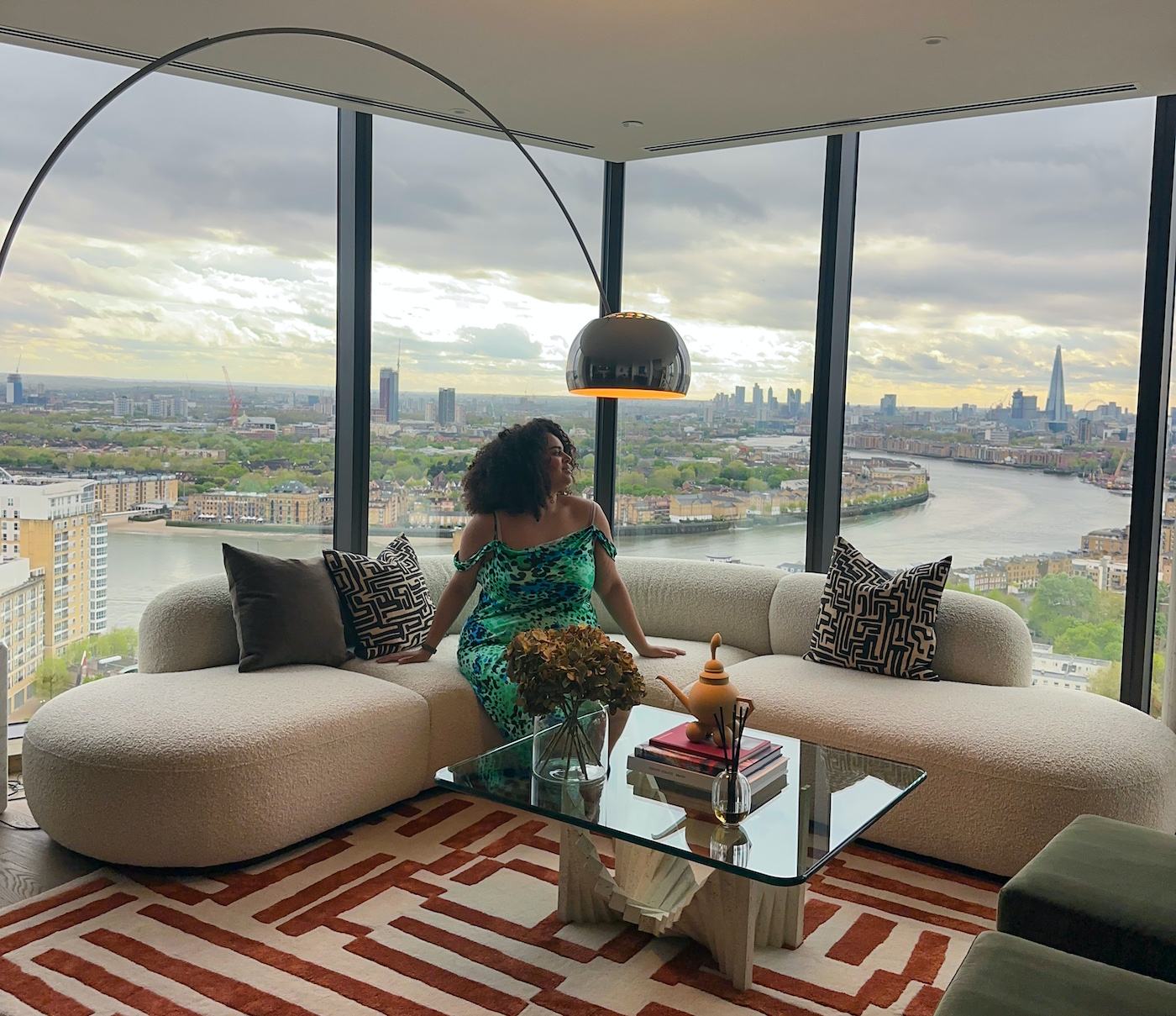
JP: Your publication is about documenting where women’s power is moving next through wealth, ownership, and identity. What does that mission mean to you in practice?
LB: For me, it all comes back to freedom.
I left traditional employment at twenty-one because I wanted to design my own life, even though I had absolutely no idea what that life would eventually look like. Every business I built gave me a little more freedom than the one before. Not just financially, but freedom over my time, where I lived, who I worked with and ultimately how I wanted to spend my life.
What surprised me most wasn’t the success itself. It was what happened after I’d achieved it.
After exiting my business, I suddenly found myself being introduced to entirely new worlds. Branded residences. Family offices. Private aviation. Yacht ownership. They weren’t hidden. I’d simply never been close enough to them to know they existed.
That realisation stayed with me because I started asking myself a bigger question. How many women are building extraordinary businesses, creating significant wealth and reaching this stage of life without anyone ever showing them what’s possible next?
Historically, traditional wealth has always had its own networks, language and institutions. But we’re now seeing unprecedented amounts of wealth moving into the hands of women who are creating it themselves, inheriting it, investing it and deploying it in entirely different ways. Many of those women haven’t grown up inside these worlds. They don’t necessarily know what opportunities exist, what questions to ask or even that they’re now the audience these industries should be thinking about.
That’s the gap LauraBartlett.live exists to close.
In practice, my mission is to document where women’s power is moving next and make conversations around wealth, ownership and influence feel accessible rather than intimidating. Whether that’s exploring branded residences, decoding the world of family offices or introducing readers to opportunities they may never have realised existed, the goal is always the same.
I want women to see what’s available, understand how these worlds work and realise they belong in them too.
Because I don’t believe most women need more ambition. I think they need more visibility. Sometimes seeing another woman walk through a door is all the permission we need to realise we can walk through it ourselves.
JP: You cite strong data: women with a net worth exceeding five million dollars already own 15% of luxury homes in the United States, and Bank of America estimates that close to one hundred trillion dollars of the Great Wealth Transfer will flow to women over the coming decades. Where do you think the branded residences industry has failed to properly reach or speak to this buyer?
LB: I don’t think the industry has missed the data. I think it’s misunderstood what the data is actually telling us.
The numbers aren’t in dispute, if anything, they’re conservative. Research from Coldwell Banker shows that women with a net worth exceeding five million dollars already own 15% of luxury homes in the United States, while Bank of America Institute estimates that the majority of the Great Wealth Transfer over the coming decades will flow to women. This isn’t a niche demographic waiting to emerge. It’s the market’s present tense.
Where I think the industry has fallen behind is in understanding who that woman actually is.
For years, luxury property has largely been marketed around a traditional buyer archetype. Often a couple, a family office or a male entrepreneur. But an increasing number of affluent women don’t fit that narrative. They’re entrepreneurs, investors, executives and business owners who’ve built their own wealth.
Many are making purchasing decisions independently, travelling internationally, dividing their time between multiple destinations and designing lives that look very different from previous generations. Many of them are also first-generation participants in these worlds. They didn’t grow up around branded residences or private clubs. Nobody handed them a playbook explaining what was possible next.
They’re discovering these opportunities as they build their wealth, just as I did.
That’s why I think branded residences are such a natural fit for this audience.
A woman who’s built her own wealth often values freedom as much as luxury. She wants to be able to lock the door, board a plane and know everything is taken care of. She wants exceptional service, trusted security and the confidence that her home will work around her life, not the other way around. Those aren’t simply luxury features.
They’re things that create autonomy.
I also think women often buy differently. Of course craftsmanship and design matter, but so do trust, safety and how a place makes you feel. The very qualities that define great hospitality are the same qualities that make branded residences so compelling for women designing independent, globally mobile lives.
Branded residences don’t ask a woman to fit into an existing lifestyle. They support the lifestyle she’s already designed. I think the next decade belongs to the woman who built her own wealth rather than inherited her expectations. She’s already here.
The question isn’t whether she’ll buy branded residences. It’s whether the industry will recognise her when she does.
JP: You write about branded residences as architecture for women who have built their own wealth and live globally mobile lives. What does this type of ownership actually enable in practice for women that traditional property doesn’t?
LB: In one word, time.
Traditional property ownership creates work. Staff to hire, maintenance to manage, security to arrange, and an empty house to worry about every time you leave. If you own in more than one country, multiply all of that by two or three. For a woman running a business and living globally, that’s not an asset. That’s a second job.
A branded residence removes the operational layer entirely. She can land at midnight and the fridge is stocked. She can leave for six weeks and nothing needs her attention. There’s one trusted point of contact instead of a dozen contractors, and a level of security and service that doesn’t depend on anyone else being home.
For women who built their wealth to buy freedom, that’s the whole point. Traditional property gives you somewhere to live. A branded residence gives you your time back.
JP: You use the phrase ‘sovereign buyer’ across your writing. Where did that term come from, and what does it capture that ‘luxury buyer’ does not?
LB: I started using it because I couldn’t find existing language for the woman I kept writing about.
‘Luxury buyer’ tells you what someone can afford. ‘Sovereign buyer’ tells you how she lives.
The word sovereign has always meant answering to no external authority, and that’s exactly what I kept observing. She’s making decisions independently. She’s directing her own capital. She’s choosing where to live, invest and spend her time based on her own values rather than convention or expectation.
That’s why I prefer the term. It moves the conversation away from consumption and towards autonomy.
A branded residence isn’t ultimately a symbol of luxury. It’s an expression of sovereignty. A home that supports a life designed on your own terms.
JP: Aman kept appearing prominently in your analytics before you wrote a dedicated piece. What made Aman stand out to you among all of the brands active in the sector?
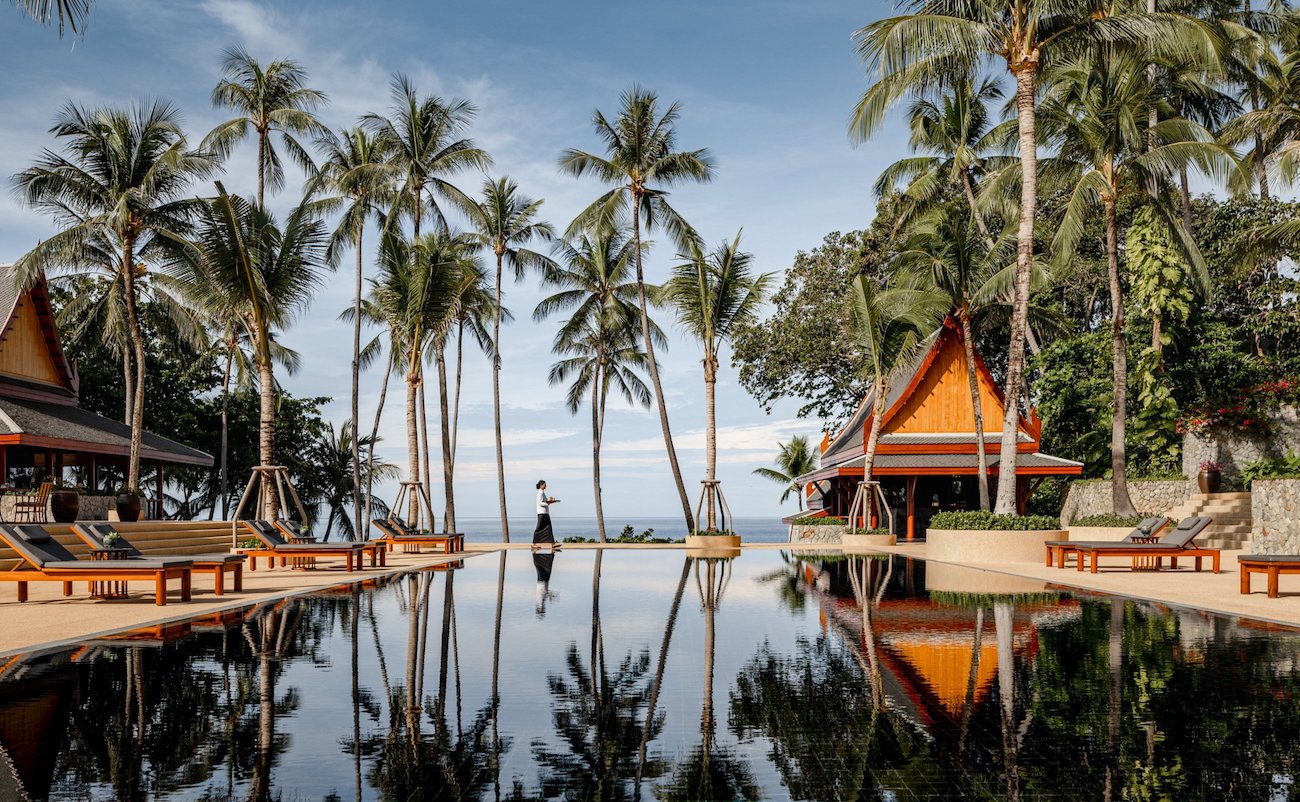
LB: It wasn’t just the analytics, although seeing Aman appear so consistently in my search data certainly made me pay attention. It was what I discovered when I started looking more closely.
Aman isn’t simply building branded residences. It’s building an entire ecosystem.
Hotels, private homes, members’ clubs, wellness, and now yachts. It’s stopped selling stays. It’s creating a way of living.
That fascinated me because it reflects a much bigger shift. Luxury brands are no longer just creating places people visit. They’re creating worlds people can belong to.
For a first-generation buyer with no inherited playbook, that continuity does something far bigger than convenience. The brand becomes a trusted guide. It removes uncertainty and creates confidence across every part of her lifestyle.
That’s why Aman kept appearing in my analytics. I don’t think it was an accident. I think readers were instinctively searching for brands that help them navigate an entirely new world.
JP: Beyond branded residences, your site explores topics like private aviation, yacht ownership, and family offices. How do these different areas connect in the vision you have for women’s ownership and life design?
LB: To me, they’re not separate subjects at all. They’re all part of the same conversation.
If you strip away the labels, branded residences, private aviation, yacht ownership and family offices are all forms of infrastructure. They shape how a woman moves through the world, protects her wealth, spends her time and ultimately exercises more choice over how she lives.
What interests me isn’t luxury for luxury’s sake. It’s autonomy.
A branded residence changes how she lives. Private aviation changes how she moves. A yacht changes where the world can reach her. A family office changes how she preserves and grows wealth across generations. They’re all systems that give a woman greater control over her life.
Historically, many of those conversations have happened behind closed doors or within established wealth networks. As more women build significant wealth in their own right, those conversations can’t stay behind closed doors.
Opening them is the thread connecting everything I cover.
JP: Drawing from your journey, from the early struggles to incredible success and rebuilding after failure, what advice would you give to someone who is just starting their entrepreneurial journey today?
LB: I’d tell them to trust the vision before they can see the evidence.
Every meaningful chapter of my life started long before I had any proof it would work. Leaving employment at twenty-one. Launching a global magazine after walking out of Dragons’ Den without investment. Starting again after bankruptcy. Building a travel publication that people said couldn’t compete with established titles. Selling that business and then beginning again with LauraBartlett.live.
None of those decisions made sense to everyone else at the time. They only make sense when you look backwards.
I also wish I’d realised sooner that the biggest limitations weren’t external. They were the ones I’d quietly accepted for myself. Once I started questioning those, I realised that designing your life isn’t about waiting for permission. It’s about recognising that far more is available to you than you’ve been led to believe.
So if someone is just starting out, I’d say this.
If you’ve been given the vision, you’ve also been given the capacity to bring it to life. Your job isn’t to know every step. Your job is to take the first one.

Jason Payne, CEO of BRESI, authors Expert Voices, a series of interviews featuring prominent figures in the branded residences sector. The interviews zero in on what is driving this specialised luxury real estate market.